A three-year path from curious student to published researcher
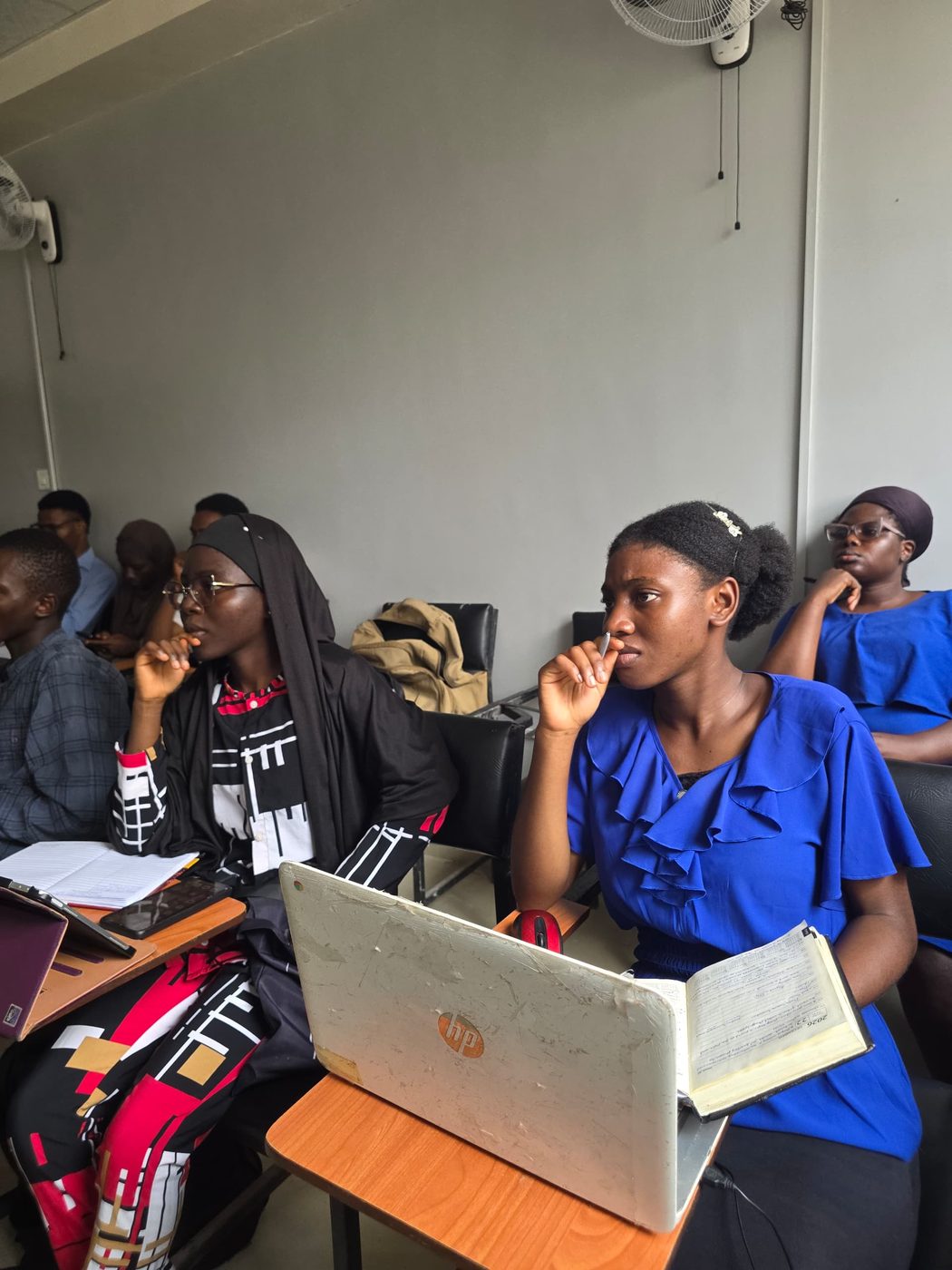
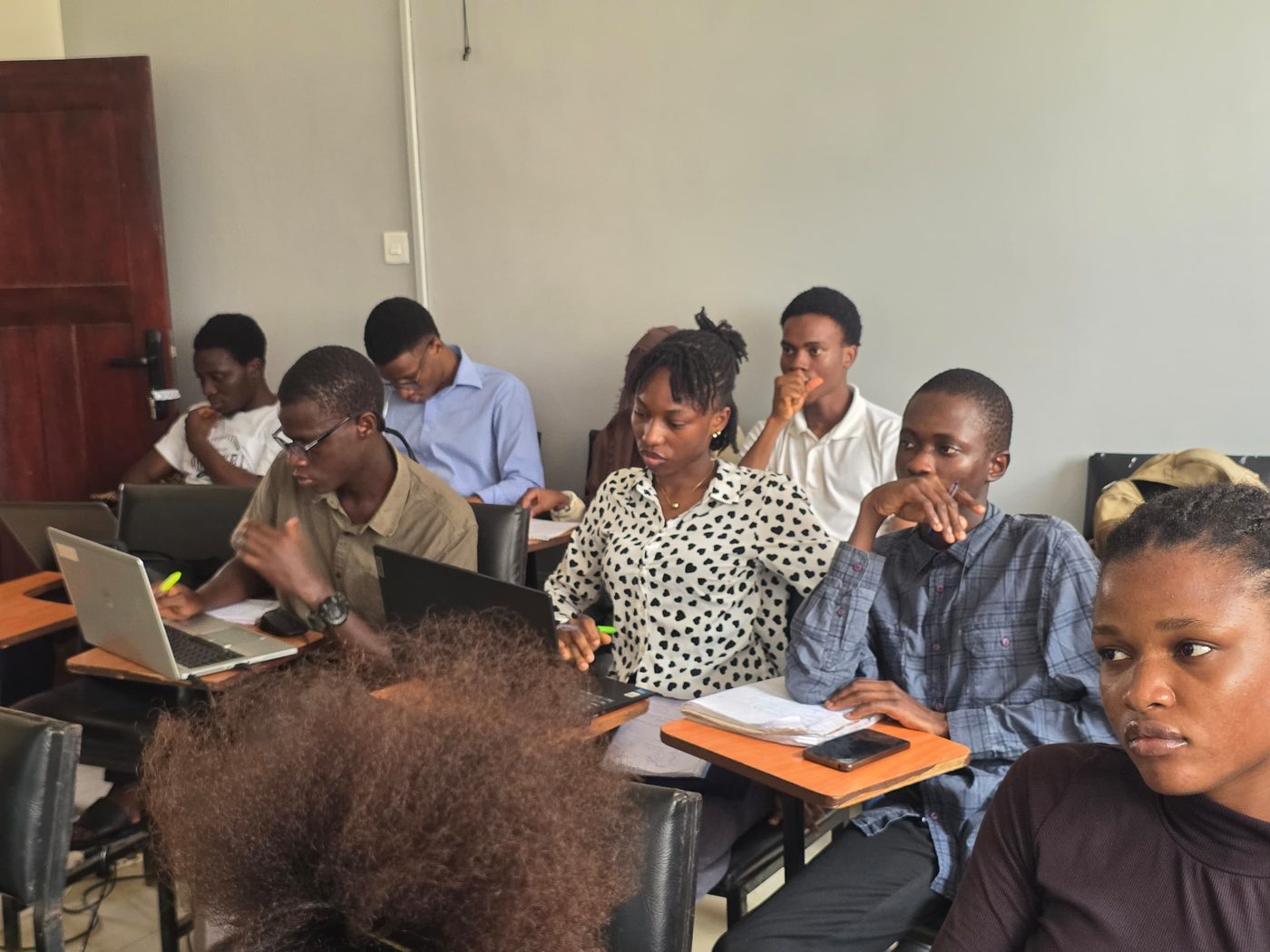
IBRT runs a voluntary training course that is taught by students and guided by faculty. It was the first of its kind at the University of Ibadan, and it is built on learning by doing.
Three years, three stages
New intakes start as Year 1 trainees whatever their academic level. They earn full membership once they complete the Year 1 coursework.
SEA-PHAGES & research basics
Phage biology, prokaryotic biology and DNA structure, then hands-on annotation of a real phage genome in DNA Master. The year ends with the team’s SEA Symposium submissions.
Research training & working groups
Literature search strategies, literature review, study design, the structure of a research article, and writing abstracts and reviews. Each member also chooses a research working group.
Working groups & project design
As the final training class, Year 3 members carry out their working group’s research project and report progress to the Phage Leaders Forum.
The SEA-PHAGES bioinformatics track
The six-week hybrid course was designed by IBRT’s student leaders during the 2020 lockdown. It is supported by recorded lectures, assignments and annotated GenBank files from earlier phages.
| Module | What you learn |
|---|---|
| Week 1 | Bacteriophage biology & applications · prokaryotic biology & DNA structure · review assessment |
| Week 2–3 | Installing and configuring DNA Master · generating Phamerator maps · exploring phage clusters |
| Week 4 | Collecting evidence in DNA Master and Artemis · the Artemis Comparison Tool · sequence annotation |
| Week 5–6 | GeneMark coding potential · gaps & RBS decisions · adding gene features · merging files · Starterator · BLAST start notes · HHpred |
A typical IBRT calendar
Based on the IBRT Research Year Calendar. Exact dates are confirmed each year by the Phage Leaders Forum.
Launch
Team newsletter, recruitment, the start of the research year and the first Year 1 materials.
Annotate & present
The SEA Symposium, quality control of annotations, and the start of review writing and working group projects.
Write & plan
Working group reports, the PHAMILIA call for abstracts, conference submissions and forming the Phage Week committee.
Celebrate & publish
World Phage Week around International Phage Day (22 October), the PHAMILIA launch and the End of Year Report.
Privileges of membership
- Recognition as a member of the Ibadan Bacteriophage Research Team
- Taking part in research, and representing IBRT at conferences and symposia
- Access to team training manuals, software, equipment and facilities
- Eligibility for leadership roles in the Phage Leaders Forum
- Authorship on genome annotations, abstracts and PHAMILIA articles
- Recommendations, and a network of alumni and international mentors
How to become a member
Membership is open to 300 to 500 level students of the Department of Biomedical Laboratory Science, University of Ibadan. Recruitment usually opens at the start of each research year.
Apply
When recruitment opens, complete the IBRT application form. Past rounds asked for a short written summary of up to 500 words on an assigned topic.
Take the assessment
Shortlisted applicants take the IBRT recruitment quiz and an orientation run by the Head of Orientation & Year 1 Training.
Begin Year 1
Successful applicants join as provisional members and start the SEA-PHAGES track. Membership is renewed every year.
Not a BMLS student?
You can still learn with us. Join the World Phage Week webinars, explore the BAMSSA Research Hub, or partner with the team on research.